Window tint for home is a practical upgrade that combines comfort, energy savings, and privacy. For homeowners, choosing the right film requires understanding how different tint types affect heat, glare, UV protection, and aesthetics. This guide, informed by industry standards and real world usage, explains what to look for, how to compare options, and how to get the best long term value while maintaining safety and compliance.
Why window tint for home matters
Window tint can block a large portion of UV rays, reduce heat gain, and lower cooling costs, especially in sunny climates. It also reduces glare on screens and helps protect furnishings from fading. For homes with large glass areas, tint can improve comfort in living rooms and bedrooms without heavy drapes. Some films offer daytime privacy while staying elegant from the outside. When evaluating options, homeowners should balance energy goals with light transmission and the home style they want to present.
Types of residential window tint
Dyed window films
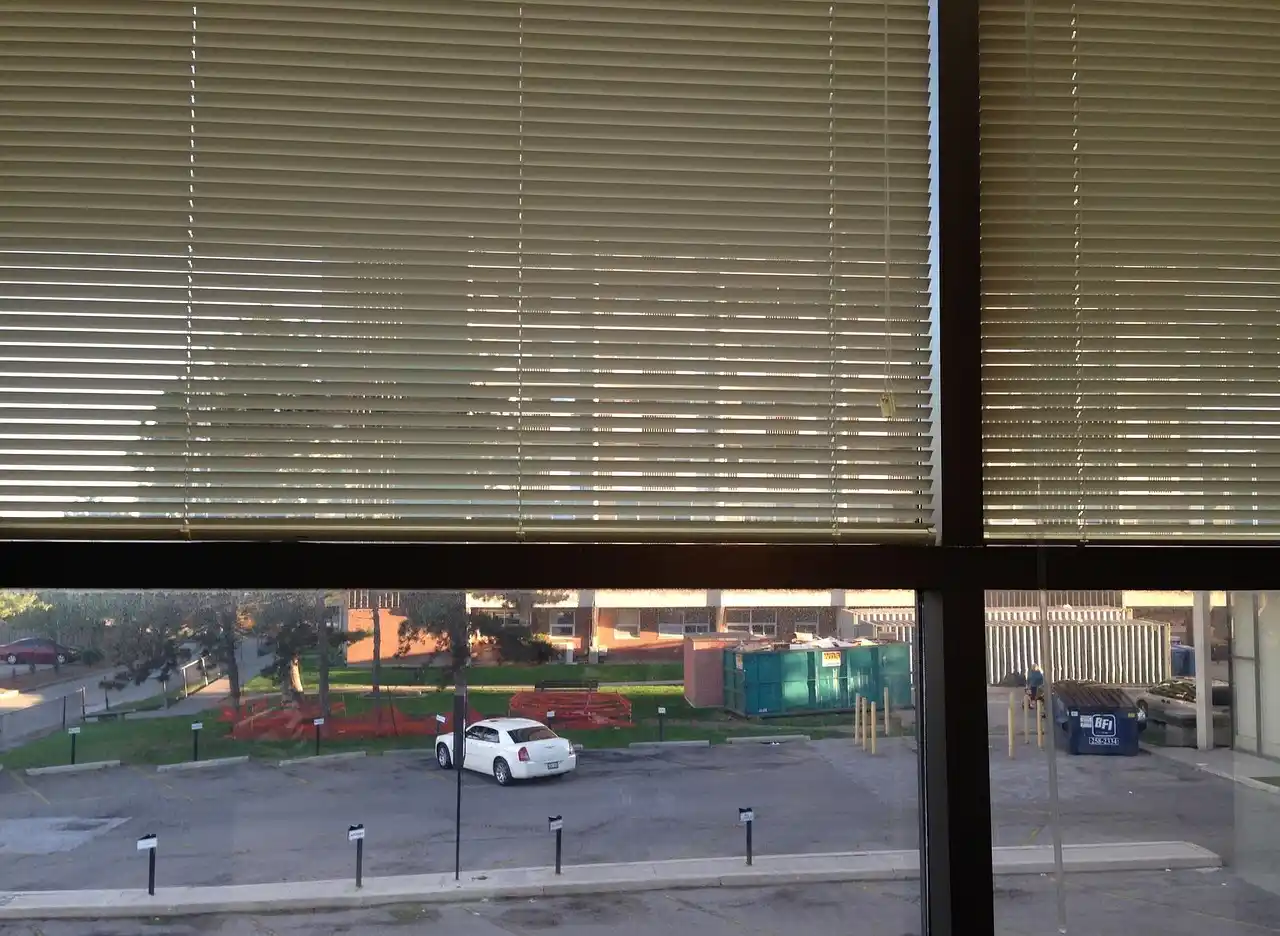
Dyed films are affordable and simple to install. They absorb heat and reduce glare but may fade over time in strong sun and can be less durable than other films. For homes on a tight budget, dyed films provide a noticeable upgrade without changing window clarity.
Metalized films
Metalized films combine metallic particles to reflect heat and block UV light. They deliver strong glare reduction and privacy and are durable. A potential drawback is possible interference with certain electronics and a metallic look that may not suit every home style.
Ceramic films
Ceramic films use nonconductive particles that offer excellent heat rejection without impacting electronics or aesthetics. They provide high clarity, strong UV protection, and reliable durability, but come at a higher price point.
Carbon and Low E coatings
Carbon films reduce heat with a non reflective appearance and conceal fading while maintaining room brightness. Low E coatings, often applied to double pane windows, enhance energy efficiency and can be used in combination with other films. Both options tend to be more expensive but deliver consistent long term performance.
Benefits of home window tint
Key benefits include UV protection to prevent fading of furnishings, glare reduction for comfortable viewing, energy efficiency that lowers cooling costs, enhanced privacy during daylight hours, and added shatter resistance in case of impact. When installed correctly, tint can also maintain natural light while limiting heat transfer, preserving the interior look of the home.
How to choose the right tint
Start by assessing climate and sun exposure, window type and size, and desired level of privacy. Consider the visible light transmission VLT you want, as this affects how bright rooms feel. Check local regulations and HOA rules to ensure compliance with tint darkness and reflectivity. Compare warranties, warranty terms, and the reputation of installers. For best results, obtain multiple quotes and request demonstration films to see color and clarity in your own windows.
Installation options and maintenance
DIY tint kits are available, but professional installation ensures proper edge sealing, bubble-free finishes, and long lasting adhesion. Professionals can advise on film selection and perform any necessary window prep. Maintenance is simple: wipe with a non ammonia cleaner and a soft cloth to avoid scratches, and avoid abrasive tools that could damage the film.
Comparison of tint types
| Tint Type | UV Rejection | Glare Reduction | Privacy | Durability | Typical Cost |
|---|---|---|---|---|---|
| Dyed Film | Moderate | Moderate | High | Medium | Low |
| Metalized Film | High | High | High | High | Medium |
| Ceramic Film | Very High | High | High | High | High |
| Carbon Film | High | High | High | High | Medium |
| Low E Coated Film | Very High | High | Moderate | High | High |
Conclusion
Conclusion, choosing the right window tint for home balances climate, window type, and budget. By selecting a film that fits the home style and environment, and by opting for professional installation when needed, homeowners can enjoy long term energy savings, UV protection, privacy, and improved comfort.