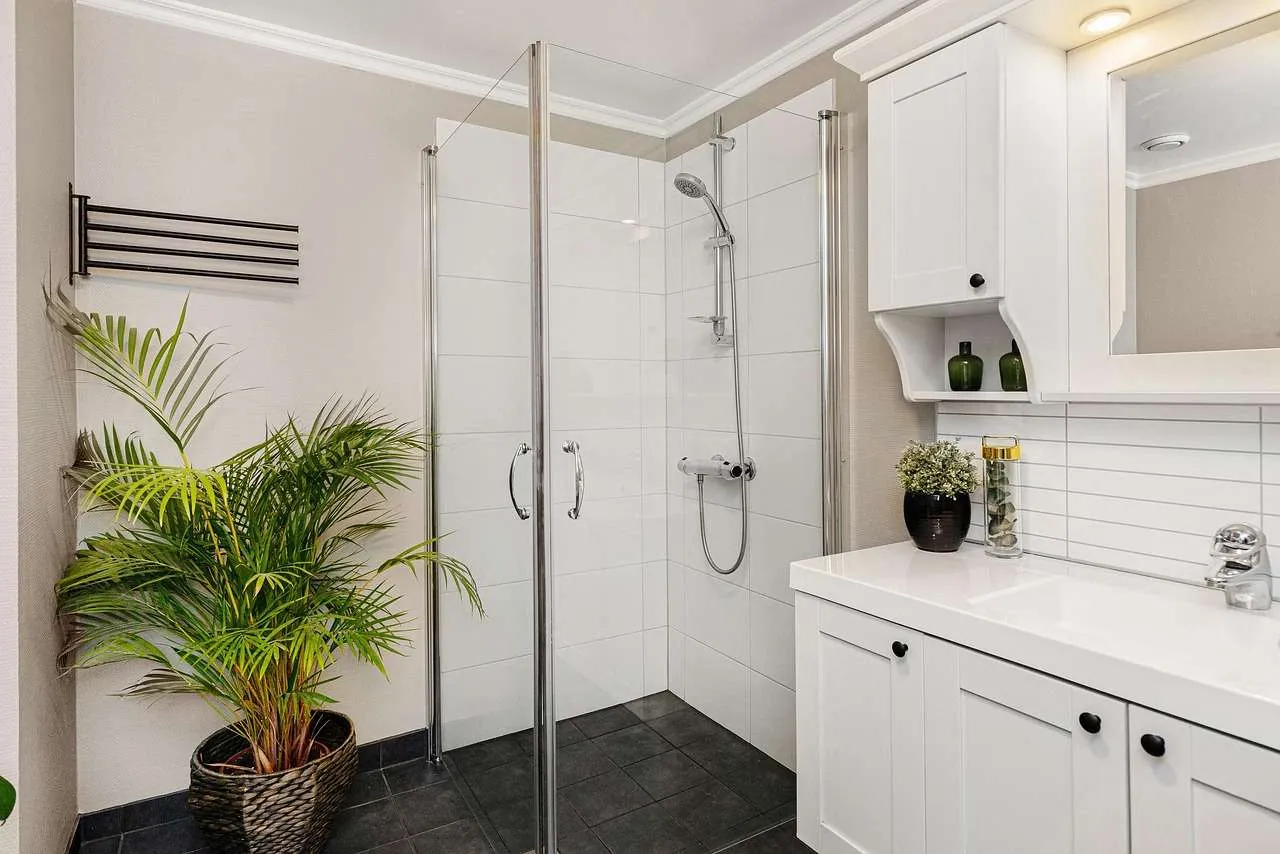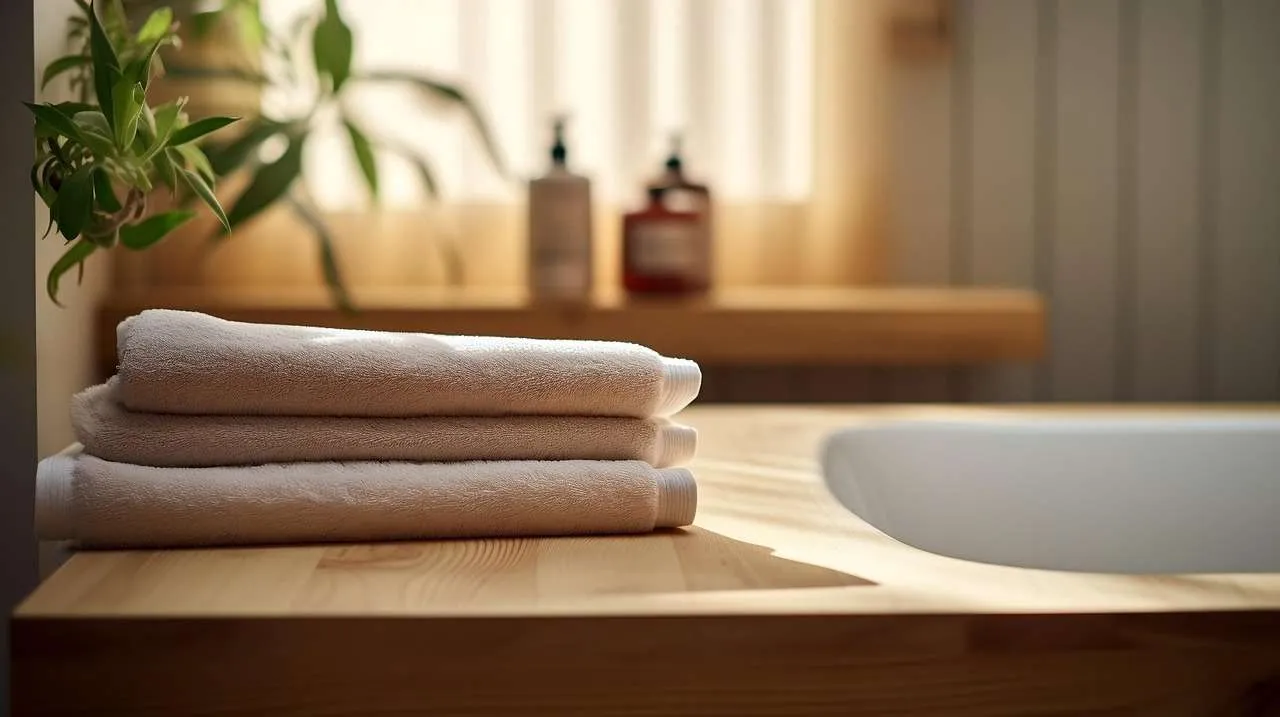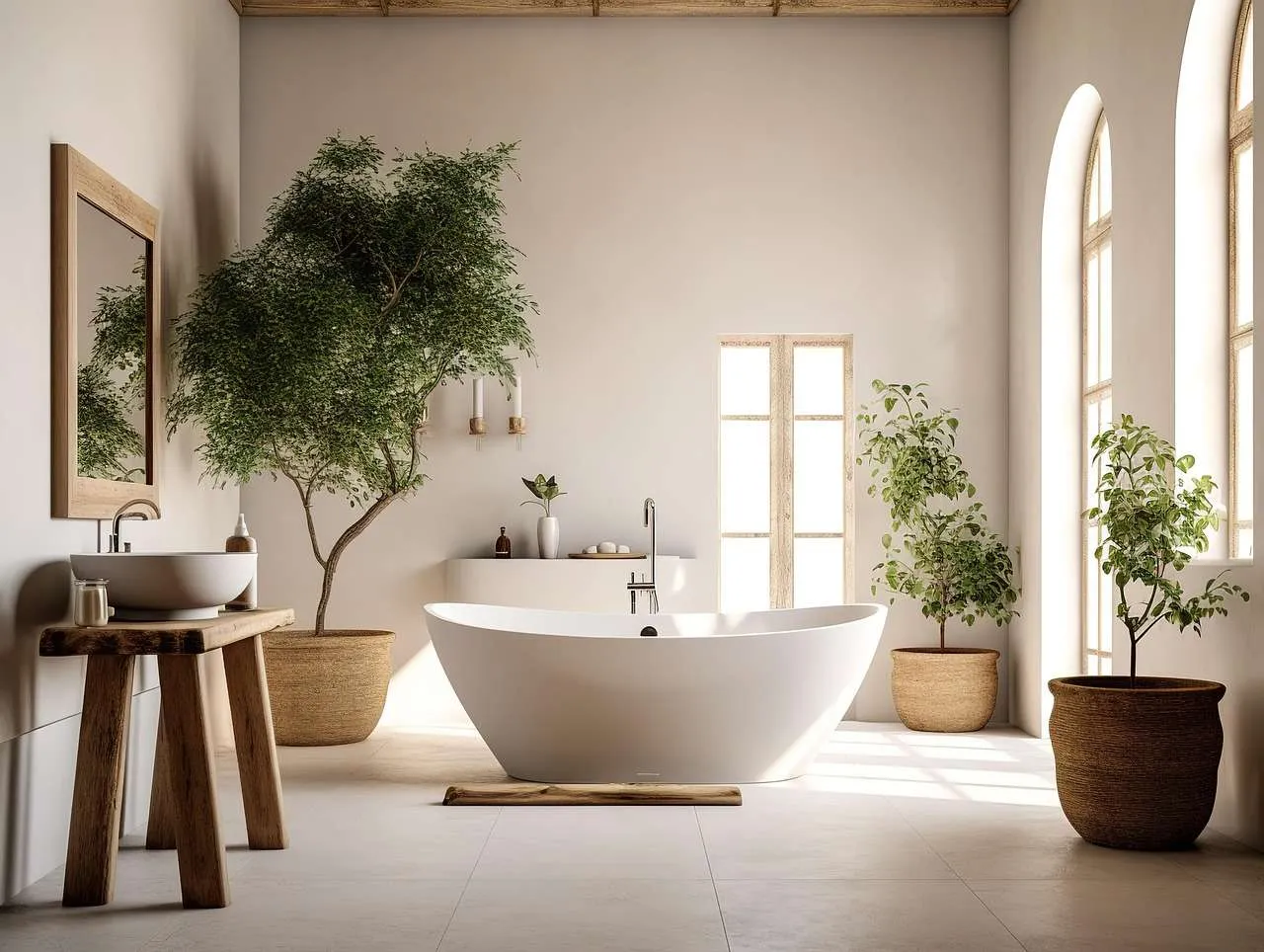
As you plan a bathroom renovation or a new build, the tile you choose sets the tone for style, durability, and maintenance. This guide covers core materials, design ideas, installation essentials, and upkeep tips to help you pick bathroom tile with confidence.
Understanding Bathroom Tile Basics
Tiles are not just decorative. In bathrooms they must withstand moisture, temperature changes, and daily use. Consider two key factors: water exposure and slip risk. For floors, look for slip-resistant surfaces; for walls, aesthetic choices can be broader with glass or large-format pieces. Tile ratings, grout choices, and proper waterproofing membranes all contribute to long-term performance.
Popular Tile Materials
Porcelain Tile
Porcelain is a dense, water-resistant ceramic made from finer clays and fired at higher temperatures. Pros include exceptional durability, low porosity, and suitability for floors and showers. Cons include higher cost and the need for skilled cutting and installation to avoid issues with color consistency across lots.
Ceramic Tile
Ceramic tile is typically more affordable and available in a wide range of patterns and colors. It’s easy to install for DIYers, but it is less dense than porcelain and may show wear over time in high-traffic zones. Great for walls and backsplashes or low-moisture shower niches when sealed properly.
Natural Stone
Marble, travertine, slate, and other stones offer premium aesthetics with unique veining. They’re porous and require sealing, regular maintenance, and careful care to prevent staining. Stone is excellent for wall applications and dry areas, while certain stones can be used on floors if you choose appropriate finishes and ongoing sealing.
Glass and Metal Accents
Glass tiles and metal inlays bring reflective shine and contemporary style. They work well as backsplashes and shower trims. Use caution on floors due to slipperiness and increased maintenance; pair with slip-resistant surrounding tiles for safety.
Design and Layout Considerations
Tile size influences the look and maintenance. Large-format porcelain or ceramic (e.g., 12x24) reduces grout lines and visually expands small spaces. Subway patterns, herringbone, or basket-weave layouts can create classic or modern vibes. Grout color matters: matching grout hides lines, contrasting grout highlights patterns. For damp zones, ensure proper waterproofing membranes behind the tile and use epoxy grout in areas prone to staining or moisture exposure.
Durability, Maintenance, and Safety
Seal natural stone and re-seal as recommended—often every 1-3 years depending on traffic and sealing product. Clean with pH-neutral cleaners; avoid acidic or abrasive products that can dull finishes. For floors, choose a tile with a slip resistance rating (R10 or R12 in many standards) and a textured surface for safety in wet environments. Consistent maintenance preserves both appearance and value.
Installation Tips
Plan substrate prep with a licensed professional if you are tiling a shower or wet area. A waterproofing membrane and proper slopes are essential. For DIY projects, ensure accurate layout, use spacers, and cut tiles with a tile saw for clean edges. Allow thin-set mortar to cure fully before grouting, and choose grout that matches or contrasts to achieve your desired look.
Cost, Value, and ROI
Material costs vary: porcelain and ceramic tiles are typically budget-friendly, natural stone is premium, and glass accents add design flair with higher installation costs. While initial spend matters, thoughtful tile choices can improve bathroom resale value, especially with durable floors, moisture protection, and timeless designs.
Tile Type Comparison
| Tile Type | Pros | Cons | Best For |
|---|---|---|---|
| Porcelain Tile | Extreme durability, low porosity, wide range of sizes | Higher cost, professional installation recommended | Floors, showers, high-traffic bathrooms |
| Ceramic Tile | Affordable, broad design options | Less dense than porcelain, more prone to chipping in rough use | Walls, backsplashes, light-foot traffic floors |
| Natural Stone | Luxurious appearance, unique veining | Porous, needs sealing, higher maintenance | Accent walls, dry areas, low-traffic floors with sealing |
| Glass/Metal Accents | Reflective, modern style | Slippery on floors, higher cost, sealing challenges | Backsplashes, decorative trims |
Note: Always verify product ratings, such as slip resistance and hardness, before purchase, and consult a licensed installer for complex layouts or waterproofing needs.
Conclusion
Conclusion, selecting bathroom tile means balancing moisture resistance, durability, and design. By choosing the right material, size, and finish, and by using proper waterproofing and maintenance, you can create a bathroom that looks beautiful and lasts for years.